Reviewing the "I Hate Archery" Design for Embroidery
As a designer who has spent years digitizing patterns and testing them on everything from delicate baby onesies to heavy-duty canvas totes, I approach every new machine embroidery design with a critical eye. It is not just about whether the image looks cute on a screen; it is about how those lines translate into thread, how the tension holds up after washing, and whether the final finished product feels professional enough to sell. Recently, I evaluated the I Hate Archery Said No One Ever Funny design, a piece that sits at the intersection of humor and hobbyist pride. While the product description highlights its utility as SVG, EPS, DXF, PNG, and PDF files for printing and cutting, my focus was strictly on how this graphic translates into a tangible embroidery project for real-world application.
First Impressions and Visual Personality
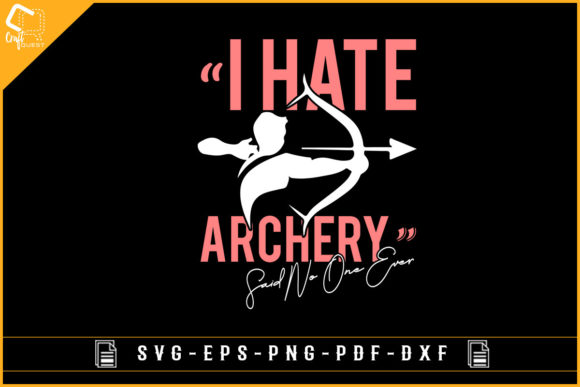
The phrase "I Hate Archery Said No One Ever" carries a specific tone: dry, sarcastic, and deeply affectionate toward the sport. Visually, this type of typography-driven design relies heavily on font choice and spacing. In the context of Crafts and Graphics, this design needs to balance readability with aesthetic appeal. When I first loaded the file into my editing software, I looked immediately at the letterforms. For embroidery, thick, bold fonts are generally safer than thin, script-style letters because they accommodate the bulk of the thread without losing definition.
The mood here is playful yet confident. It is not a subtle, whisper-quiet design; it is a statement piece. This makes it ideal for items where the wearer wants to express identity loudly, such as a club hoodie or a gear bag. The layout appears straightforward, which is often a blessing in disguise for stitchers. Complex layouts with overlapping elements can cause registration issues, but a clean, linear text design allows for consistent stitch density and predictable hoop placement.
Real-World Application: The Custom Sweatshirt Test
To truly understand the viability of this design, I imagined a specific client scenario. A local archery club approached me for custom merchandise for their annual tournament. They wanted something fun for the coaches and senior members, distinct from the standard competitive jerseys. This is where I Hate Archery Said No One Ever Funny shines. I visualized it centered on the chest of a high-quality cotton blend sweatshirt.
In this setting, the design acts as a conversation starter. It transforms a generic garment into a personalized gift that resonates with the community. For an Etsy seller or small shop owner, this is gold. It taps into a niche audience—archery lovers—who are often underserved by mainstream retail. By using this design on a tote bag design or a durable canvas apron, you create a handmade product that feels bespoke. The humor lowers the barrier to entry for buyers who might find traditional sports logos too serious or corporate.
Performance on Different Fabrics and Hoops
One of the most critical aspects of reviewing any digital embroidery file is assessing its behavior on various textiles. Text-based designs are particularly sensitive to fabric texture. On a smooth, tightly woven cotton, the letters will pop with crisp edges. However, if you attempt to stitch this on a textured fleece or a loose-knit sweater, you must adjust your technique. I recommend using a cut-away stabilizer for stretchy fabrics to prevent the text from distorting over time.
For smaller items, such as a baby embroidery project on a bib or a small embroidered patch, scale is everything. You must check the dimensions carefully. If the original graphic is large, shrinking it down for a 4x4 inch hoop might cause the thinner parts of the letters to merge or become illegible. Always run a test stitch on scrap fabric of the same weight and type as your final material. This step is non-negotiable for maintaining professionalism in commercial embroidery.
Technical Considerations for Stitchers
Since the provided files include formats like SVG and DXF, which are vector-based, you have the flexibility to resize the design before converting it into an embroidery format. However, resizing does not automatically adjust stitch parameters. If you are digitizing this yourself or working with a pre-digitized version, pay close attention to the satin stitch width. Wide satin stitches can snag easily, while narrow ones may not cover the fabric adequately. A combination of satin borders with a light fill stitch background can provide durability and visual weight.
Thread color contrast is another vital factor. This design likely relies on the stark difference between the text and the background. On a dark navy hoodie, use a bright white or metallic gold thread to ensure the joke lands visually. On a light heather grey shirt, a deep charcoal or black thread provides the necessary contrast. Avoid low-contrast combinations, such as beige on white, as they diminish the impact of the humor and make the custom apparel look washed out.
Navigating Licensing and Commercial Use
For craft business owners and Etsy sellers, understanding the license is paramount. The product description mentions it is ready for print and cut, but when moving into embroidery, you are creating a derivative physical good. Always verify if the creator allows commercial use of the stitched output. Many designers allow you to sell the physical item (like the sweatshirt) but prohibit reselling the digital file itself. Clarifying this protects your small shop product line from legal issues and builds trust with your customers.
Furthermore, consider the versatility of the design. While it is themed around archery, the sarcastic structure could be adapted for other hobbies if you have the rights to modify the text. However, sticking to the original I Hate Archery Said No One Ever Funny concept ensures you target a specific, passionate demographic. This specificity often leads to higher conversion rates in niche markets compared to generic designs.
Final Verdict for Makers and Designers
The I Hate Archery Said No One Ever Funny design offers a solid foundation for creators looking to add personality to their inventory. It is not just a graphic; it is a tool for connection. Whether used for holiday embroidery gifts for the hunter in your life or as part of a boutique’s seasonal launch, it performs well when treated with technical respect. Remember to test your hoop size limits, choose your thread colors wisely, and always prioritize the stability of the fabric. By doing so, you elevate a simple funny phrase into a high-value, professionally crafted item that customers will be proud to wear and share.