Funny Skull Illustration: A Designer’s Review
As an embroidery designer who has spent years translating digital art into thread, I approach every new asset with a mix of curiosity and caution. We have all been there: you find a graphic that looks perfect on screen, only to realize it turns into a tangled mess of jumps and trims once it hits the fabric. Today, I am taking a close look at the Funny Skull Illustration, evaluating it not just as a piece of digital art, but as a viable component for real-world embroidery projects.
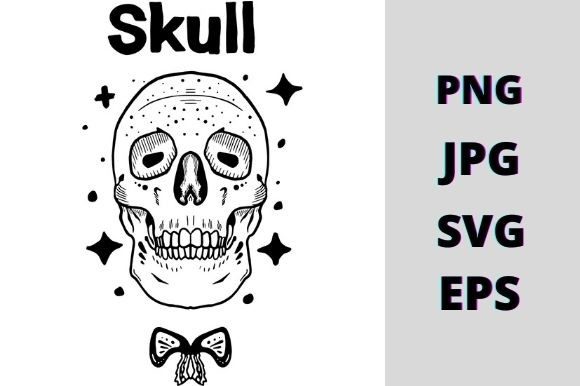
The first thing that strikes me about this design is its personality. It is not the grim, gothic skull you might expect for a heavy metal band tee. Instead, it carries a playful, whimsical energy. The lines are clean, and the expression is approachable. For those of us in the Crafts and Graphics space, finding vector assets that balance humor with technical simplicity is rare. This illustration feels like it was built with versatility in mind, offering a mood that fits perfectly into the current trend of quirky, personality-driven home decor and apparel.
From Screen to Stitch: Visualizing the Application
When I review a file like this, my mind immediately jumps to specific products. I recently worked on a custom order for a boutique client who wanted to refresh their line of canvas tote bags. They needed something eye-catching but not overly serious. The Funny Skull Illustration would have been an ideal candidate for that project. Because the design is provided as a high-resolution 5000 px by 5000 px image at 300 DPI, along with EPS and SVG vectors, the scalability is excellent. This means I can resize it for a small chest pocket or enlarge it for a full-back sweatshirt design without losing clarity.
Imagine this design stitched onto a thick, natural-colored cotton tote. The contrast between the dark thread of the skull outline and the light fabric would create a striking visual. Alternatively, picture it as an embroidered patch on a denim jacket. The "funny" aspect of the skull makes it appealing for a younger demographic or for customers looking for unique, conversation-starting accessories. It transforms a standard item into a personalized gift that feels thoughtful and curated.
Technical Considerations for Embroidery Designers
While the aesthetic is strong, we must discuss the technical translation. Since this product is delivered as a vector and raster image package rather than a pre-digitized machine embroidery design, the responsibility falls on us to convert it properly. This is actually a benefit for experienced designers because it allows full control over stitch types. However, it requires careful planning.
For a design with clear outlines like this skull, I would recommend using a combination of satin stitch for the borders and fill stitch for any larger solid areas if you choose to fill them. If you prefer a more vintage or sketch-like look, a running stitch could work beautifully for the finer details. The key here is managing stitch density. Skulls often have hollow areas, such as eye sockets and nasal cavities. If these areas are too small relative to the hoop size, they can cause puckering. I always advise testing the design on scrap fabric first to ensure the stabilizer can handle the tension.
Another critical factor is the hoop size. If you are planning to use this on a cap or a curved surface, you need to ensure the design fits within the usable area of your cap frame. The vector format makes resizing easy, but remember that shrinking a design too much can cause stitches to merge, losing the definition of the skull’s features. Always check the smallest details before committing to the final product.
Navigating Fabric and Thread Choices
The success of any embroidery project depends heavily on material selection. This particular illustration, with its bold shapes, performs well on stable fabrics like cotton twill, denim, or canvas. These materials provide a solid foundation for the stitches and help maintain the shape of the design. However, caution is needed when working with stretchy fabrics like jersey knits for t-shirts. Without proper stabilization, the weight of the thread can distort the fabric, causing the skull to look warped after washing.
Thread color choice also plays a pivotal role. While black thread on white fabric is a classic choice, do not be afraid to experiment. A deep navy or charcoal grey can soften the look, making it more suitable for baby items or nursery decor where a harsh black might feel too stark. Conversely, using vibrant, contrasting colors for the eyes or teeth can enhance the "funny" aspect of the illustration, making it pop on dark garments. Always test your thread colors against the fabric background to ensure sufficient contrast and visual appeal.
Commercial Viability and Brand Consistency
For Etsy sellers and small shop owners, this asset offers significant value. The inclusion of transparent PNGs and vector files means you can use the same design across multiple platforms. You can create printable mockups for your online listings, ensuring customers see exactly what the finished product will look like. This consistency builds trust and professionalism. Furthermore, having the source vectors allows you to tweak colors to match your brand palette, ensuring that every handmade product you sell feels cohesive.
However, before listing any items, it is crucial to verify the licensing terms. While the product description mentions ease of editing and commercial-friendly formats, always confirm whether the license covers mass production or digital resale. Most vector licenses allow for physical end products, such as custom apparel or embroidered patches, but restrictions may apply to selling the digital file itself. Protecting your business means understanding these boundaries clearly.
Final Thoughts on Practical Use
In summary, the Funny Skull Illustration is a robust asset for designers who understand the nuances of digitizing. It is not a plug-and-play solution for beginners who lack digitizing software, but for those with the skills to convert vectors into stitch files, it is a goldmine. It offers flexibility, character, and high-resolution clarity that translates well into tangible goods.
Whether you are creating holiday gifts, updating your boutique’s inventory, or experimenting with new applique design techniques, this graphic holds up under scrutiny. Just remember to respect the technical limits of your machine, choose your stabilizers wisely, and always prioritize the quality of the finish. When done right, this skull is not just a design; it is a statement piece that adds value to your craft business and delight to your customers.