Reviewing the Funny Mom Breastfeeding Awareness Design
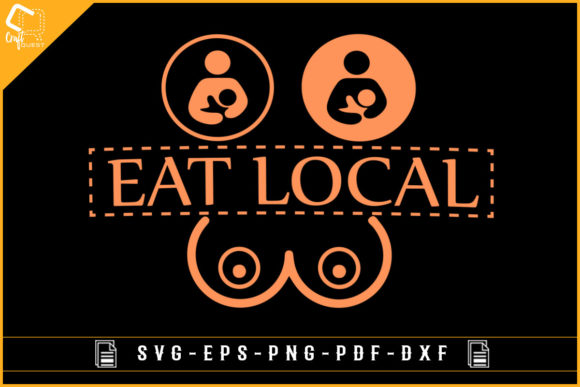
As a designer who spends half my life digitizing and the other half stitching, I have learned that not every graphic translates well to thread. When I first encountered the Funny Mom Breastfeeding Awareness Design, my immediate reaction was curiosity mixed with professional caution. This is not just a cute graphic; it is a statement piece intended for Crafts and Graphics applications, specifically marketed as printable cutting files for Cricut or vinyl cut. However, in our world of machine embroidery design enthusiasts, we often look beyond the stated use case to see if a design holds up under the needle.
The visual personality of this design is bold and unapologetic. It captures a mood of modern motherhood that is both humorous and aware. For an embroidery project, this kind of thematic clarity is essential. You do not want a design that requires explanation. The layout appears straightforward, which is generally a good sign for stitchability, but the devil is always in the details when moving from a vector file to a stitched finished product.
Real-World Application: The Tote Bag Test
To truly evaluate this asset, I imagined a specific real-life scenario. A client approaches me for a custom order: a set of sturdy canvas tote bags for a local breastfeeding support group. They want something that sparks conversation but remains tasteful enough for daily errands. The Funny Mom Breastfeeding Awareness Design fits this brief perfectly in terms of message. But would it work technically?
If I were to adapt this concept for embroidery, I would likely place it on the front panel of a medium-weight canvas tote. Canvas provides the stability needed for dense stitching. The design’s humor relies on legibility, so ensuring that any text elements remain crisp is paramount. In a handmade product context, sloppy lettering kills credibility. If this design were digitized for embroidery, I would prioritize a clean satin stitch for borders and a balanced fill stitch for larger areas to prevent puckering. The result would be a durable, washable item that serves as both a functional bag and a badge of solidarity.
Versatility Across Apparel and Home Decor
Beyond totes, this design has potential in various custom apparel categories. Imagine it embroidered on the chest of a relaxed-fit sweatshirt. The softness of fleece contrasts nicely with the structured look of embroidery. For sweatshirt embroidery, you must account for the fabric’s stretch. Using a cut-away stabilizer is non-negotiable here to ensure the design does not distort after washing.
For smaller items, such as a baby embroidery project on a onesie, scale becomes critical. If the original graphic includes fine details or tiny lettering, these may not survive the transition to thread at a small hoop size. In such cases, simplifying the design or removing intricate elements might be necessary to maintain stitching clarity. Alternatively, using this as an applique design could solve density issues. By cutting fabric shapes and stitching them down with a satin border, you reduce bulk and create a softer feel against sensitive skin, which is ideal for personalized gift items for new parents.
In the realm of home decor, consider a kitchen towel or a pillow cover. These items undergo frequent washing and handling. A well-digitized version of this design, with proper underlay stitches and appropriate thread colors, can withstand this wear. High-contrast thread choices, such as white on navy or black on cream, enhance visibility and give the piece a polished, professional look suitable for boutique branding.
Technical Considerations and Potential Pitfalls
While the concept is strong, there are areas where caution is required. The product description notes that these are SVG, EPS, DXF, PNG, and PDF files ready for print and cutting. It does not explicitly state that they are pre-digitized embroidery files. This is a crucial distinction for Etsy seller and craft business owners. If you plan to use this for machine embroidery, you will need to digitize it yourself or hire a professional.
When digitizing, pay close attention to stitch density. Humorous designs often rely on expressive lines. If these lines are too thin, they may break or look sparse. If they are too thick, they become stiff and uncomfortable. Testing on scrap fabric is essential. I recommend running test stitches on the same fabric type you intend to use for the final product. Check how the running stitch outlines hold up and whether the fill areas cause any pulling.
Dark fabrics present another challenge. If the design relies on light colors for impact, you may need to add a white underlay or use a backing material to prevent the fabric color from showing through. This is particularly important for commercial embroidery where consistency across different garment colors is expected. Additionally, curved surfaces like caps require careful placement. A large, rigid design can warp the structure of a hat. For headwear, consider scaling down the design or placing it on the side panel rather than the front center.
Enhancing Brand Value and Customer Trust
From a business perspective, the right design can elevate your brand. The Funny Mom Breastfeeding Awareness Design taps into a niche market that values authenticity and humor. Using this theme in your small shop product lineup can attract customers who feel seen and understood. It builds emotional connection, which drives buyer engagement.
However, professionalism is key. A poorly executed embroidery job can damage trust. Ensure that your thread tension is correct, your bobbin thread matches the top thread or is neutral, and that all jump stitches are trimmed. Presenting a high-quality embroidered patch or garment shows that you respect your craft and your customer. For digital product sellers, providing clear previews and specifying that mockups are not included, as noted in the product details, helps manage expectations.
Final Designer Notes
Before committing to a large production run or listing this as a digital embroidery file derivative, take these practical steps:
- Verify Licensing: Confirm whether the license allows for commercial use of finished physical items. The description mentions it is for printing and cutting, so clarify if embroidery sales are permitted.
- Check File Compatibility: Since the provided formats are vector and image-based, ensure you have the software to convert or digitize them for your specific embroidery machine.
- Test Contrast: View the design in black and white to assess its structural integrity. If it loses definition without color, it may need simplification.
- Select Proper Stabilizer: Match the stabilizer to the fabric weight. Heavy canvas needs different support than lightweight jersey.
- Inspect Small Details: Zoom in on the vector file. Are there tiny nodes or complex curves that might cause machine errors? Clean up the path before digitizing.
In conclusion, the Funny Mom Breastfeeding Awareness Design offers a compelling narrative for modern makers. With careful technical execution and thoughtful application, it can transform from a simple graphic into a cherished holiday embroidery gift or a staple in your craft business inventory. Treat it with the respect it deserves, and it will reward you with lasting appeal.