Reviewing Milk Milk Milk for Real Embroidery Projects
As a designer who has spent years translating digital concepts into tangible stitched goods, I approach every new asset with a critical eye. The market is flooded with generic phrases, but occasionally, a design strikes the right chord of humor and simplicity that translates perfectly to fabric. Milk Milk Milk is one such example. While the product description identifies this as a digital download for vinyl decal cutting files compatible with Cricut Explore and Silhouette machines, my perspective shifts when considering how this Graphics asset performs in the realm of textile arts. For the Etsy seller, the small shop owner, or the hobbyist looking to expand their portfolio, understanding the transition from a screen file to a finished embroidery project is crucial.
The Visual Personality of Milk Milk Milk
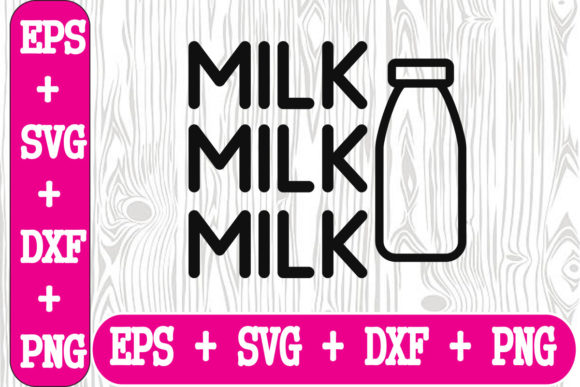
The first impression of Milk Milk Milk is one of playful repetition. The phrase itself leans heavily into nursery humor and modern parenting culture. Visually, the layout relies on bold, stacked typography. In the world of machine embroidery design, simplicity is often the strongest asset. Complex curves and intricate serifs can get lost in the weave of a fabric, but the clean lines found in this word art suggest it will hold up well under a needle. The mood is lighthearted and slightly cheeky, making it an ideal candidate for personalized gifts aimed at new parents or baby showers.
When I visualize this as a finished product, I see it working exceptionally well on items where the text needs to be the hero. Unlike floral motifs that blend into backgrounds, this design demands attention. It creates a focal point that is instantly readable, which is a key factor in commercial embroidery success. Customers browsing a boutique shelf need to grasp the message immediately. The repetitive nature of the text adds a rhythmic visual weight that feels substantial without being overwhelming.
From Digital File to Stitched Reality
While the source file is intended for paper crafting programs, the principles of scaling and spacing apply directly to embroidery. If you are planning to convert this digital embroidery file concept for stitching, you must consider how the letterforms interact with the thread. A common pitfall with stacked text is the space between lines. If the letters are too close, the fill stitch can bleed into adjacent areas, creating a muddy look. Conversely, if they are too far apart, the design loses its impact.
In a real-life scenario, imagine preparing a custom embroidered tote bag for a local craft fair. You want something that says "mom life" without being cliché. Milk Milk Milk fits this brief perfectly. On a sturdy canvas tote, the text could be executed using a combination of satin stitch for the outlines and a dense fill for the body of the letters. This ensures durability, as tote bags undergo significant wear and tear. Alternatively, on a soft cotton sweatshirt, the same design would require careful attention to the stabilizer. Without proper backing, the stretch of the knit fabric could distort the repeated words, turning a neat stack into a wavy mess.
Best Use Cases for Apparel and Home Goods
- Baby Embroidery: This design is a natural fit for onesies, bibs, and receiving blankets. The humor resonates with parents, and the bold text remains legible even after multiple washes.
- Kitchen Textiles: Consider applying this to aprons or tea towels. The kitchen theme aligns perfectly with the subject matter, creating a cohesive handmade product.
- Custom Apparel: Beyond baby items, this works well on adult hoodies or caps for parents who embrace the chaos of feeding schedules.
- Embroidered Patch: Converting this into a patch allows for versatility. Customers can iron it onto denim jackets, backpacks, or hats, expanding your craft business offerings.
Navigating Technical Challenges
Despite its apparent simplicity, Milk Milk Milk presents specific challenges that any experienced decorator must anticipate. One major concern is the hoop size. Because the text is stacked vertically, the design may require a taller hoop than a standard square. If your machine only accommodates small hoops, you may need to split the design into sections, which risks misalignment. Always test the design on scrap fabric first to ensure the registration is perfect before committing to expensive materials.
Fabric texture also plays a pivotal role. On textured fabrics like terry cloth or thick fleece, the fine details of the letter edges might get lost. The thread colors you choose must provide high contrast against the background. For instance, white thread on a cream sweatshirt will vanish, whereas navy blue on the same garment would pop. Additionally, avoid using this design on very thin or sheer fabrics; the density required to make the text legible could cause puckering or transparency issues.
Another consideration is the curvature of the surface. If you attempt to embroider this on a cap, the vertical stacking might distort due to the dome shape. In such cases, reorienting the design horizontally or breaking it into smaller segments might be necessary. Always review the stitch density in your digitizing software. If the fill is too tight, the fabric will stiffen; too loose, and the backing will show through. Finding that balance is what separates a professional embroidery project from an amateur attempt.
Strategic Advice for Sellers and Makers
For those selling these designs as part of a small shop product line or offering them as design assets, clarity is key. Ensure your printable mockup accurately represents how the text will look in thread. Do not rely solely on vector previews. Show customers the design on actual fabric textures to build trust. When listing items on Etsy or other platforms, be transparent about the customization options. Can the customer choose the font weight? Can they adjust the color scheme? These details drive engagement and reduce returns.
Licensing is another non-negotiable aspect. Since the original product is a digital download for vinyl cutting, verify the terms of use before adapting it for embroidery and selling the physical goods. Some licenses restrict commercial use or require attribution. As a responsible creative entrepreneur, always confirm whether you have the rights to sell finished items featuring Milk Milk Milk. This protects your brand reputation and ensures legal compliance.
Final Thoughts on Design Value
Ultimately, Milk Milk Milk offers a strong foundation for a variety of Crafts and Graphics projects. Its strength lies in its relatability and visual clarity. However, its success in embroidery depends entirely on execution. By testing on scraps, choosing the right stabilizer, and respecting the limitations of different fabrics, you can transform this simple phrase into a high-value item. Whether you are creating a holiday gift, a personalized keepsake, or a staple for your inventory, this design has the potential to stand out. Just remember: the best embroidery isn't just about the pattern; it's about how well that pattern lives on the fabric it adorns.