Evaluating the Funny Merry Christmas T-Shirt Design for Embroidery
As a designer who has spent countless hours digitizing patterns and testing them on various machines, I approach every new machine embroidery design with a mix of curiosity and caution. The market is flooded with holiday graphics, but few translate well from screen to stitch. Recently, I took a close look at the Funny Merry Christmas T-shirt Design, specifically evaluating its potential for real-world application in my craft business. This isn’t just about whether it looks cute on a digital mockup; it is about how it performs under the needle.
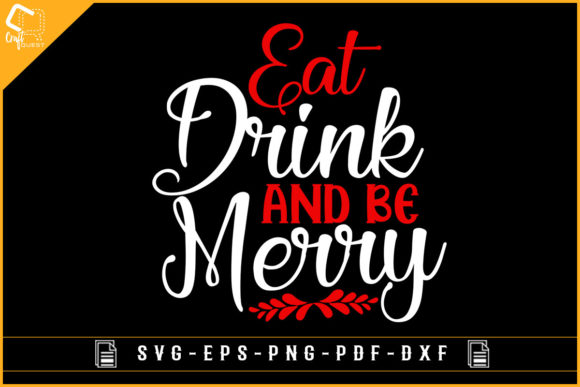
The core concept revolves around the phrase "Eat drink and be merry," a classic sentiment for the 25th of December. While the product description highlights that these are SVG, EPS, DXF, PNG, and PDF files ready for print and cutting with tools like Cricut, my focus was strictly on how this graphic translates into an embroidery file for apparel and home goods. For those of us in the Crafts sector, understanding the difference between a cut file and a stitched design is crucial for maintaining quality.
First Impressions and Visual Personality
When I first loaded the preview of the Funny Merry Christmas T-shirt Design, the mood was immediately clear: relaxed, festive, and slightly humorous. It lacks the rigid formality of traditional holiday motifs, which makes it highly appealing for modern consumers. The layout appears balanced, with a visual personality that suggests warmth and celebration. However, as an experienced reviewer, I know that visual appeal in Graphics does not always guarantee stitching success. The key question is whether the lines are clean enough to be interpreted by embroidery software without excessive node creation or jagged edges.
This design naturally belongs to casual wear and cozy home items. It feels out of place on formal wear but perfectly suited for a sweatshirt embroidery project or a casual tee. The theme is universal, making it a safe bet for holiday embroidery gifts that need to appeal to a broad audience, from teenagers to grandparents.
Real-World Application Scenarios
To truly test the viability of this design, I imagined several practical scenarios where I would use it in my small shop. First, consider a custom tote bag design. A canvas tote with this phrase stitched in bold, contrasting thread colors could be a bestseller at winter craft fairs. The durability of embroidery compared to printed ink makes it a superior choice for items that will be washed frequently.
Another strong candidate is custom apparel, specifically fleece-lined hoodies. The texture of fleece can sometimes swallow up fine details, so a design with substantial weight works better here. I also envisioned this as a personalized gift for a hostess, perhaps stitched onto a high-quality linen apron. In this context, the "Eat drink and be merry" message aligns perfectly with the function of the item.
For Etsy sellers and small shop product creators, versatility is key. This design could easily be adapted for an embroidered patch that customers can iron onto jackets or bags. Patches are a growing niche because they allow buyers to customize their own garments, adding value to your design assets without requiring you to manage inventory of finished clothing sizes.
Technical Considerations for Stitching
While the concept is strong, the execution requires careful planning. Since the source files are primarily vector and raster formats for printing and cutting, you will likely need to digitize this yourself or purchase a specific embroidery version. If you are digitizing, pay close attention to stitch density. Holiday designs often tempt creators to add too much fill, which can cause puckering on lighter fabrics.
When working with this type of typography-heavy design, the choice between satin stitch and fill stitch is critical. Smaller text elements may require satin columns to remain legible, while larger decorative elements might benefit from a light fill stitch to reduce bulk. Always test the design on scrap fabric first. I recommend checking how the design behaves on both woven and knit fabrics. Knits, like those used for t-shirts, require a stabilizer that can handle stretch without tearing.
Be cautious with small hoop sizes. If you attempt to shrink this design to fit a 4x4 inch hoop for a baby item, the text may become illegible. Baby embroidery requires larger, simpler shapes because intricate details can irritate sensitive skin or get lost in the fabric texture. Always confirm the minimum viable size before committing to production.
Fabric and Surface Challenges
Not all surfaces are created equal. While this design would look fantastic on a sturdy cotton towel, it might struggle on textured fabrics like heavy wool or bouclé. The thread colors need to contrast sharply with the background to ensure readability. On dark fabric, you may need to use an underlay stitch strategy that prevents the base color from showing through the top stitches.
Curved surfaces, such as caps, present another challenge. The center of the cap is a small, curved area. If the design is too wide, it will distort when hooped. For commercial embroidery projects involving headwear, I would recommend isolating just the word "Merry" or a simplified icon from the full design to ensure it sits correctly on the panel.
Enhancing Product Value and Brand Trust
Using a well-executed version of the Funny Merry Christmas T-shirt Design can significantly boost the perceived value of your handmade product. Customers associate embroidery with quality and longevity. When they see clean stitches and thoughtful placement, it builds trust in your brand. This is essential for craft business growth, especially during the competitive holiday season.
However, professionalism is paramount. Sloppy stitching or poor color choices can damage your reputation. Use printable mockup tools to visualize the final finished product before you stitch a single thread. This helps you communicate clearly with clients and ensures that the design fits the garment aesthetically.
Practical Notes for Designers
- Check Licensing: Ensure you have the right to use the design for commercial purposes if you plan to sell finished items. The provided files are for print and cut, so verify embroidery rights separately.
- Stabilizer Selection: Use a cut-away stabilizer for knits and tear-away for wovens to maintain shape integrity.
- Thread Contrast: Test your design in black and white first to ensure the layout is readable without relying on color cues.
- Density Management: Avoid overlapping stitches in text areas to prevent thread breaks and bird nests.
- File Conversion: If converting from SVG to embroidery format, manually adjust node points to smooth out curves.
In conclusion, the Funny Merry Christmas T-shirt Design holds great promise for the right projects. It captures the spirit of the season with a modern twist. By paying attention to technical details like hoop size, stabilizer choice, and fabric compatibility, you can transform this digital asset into a high-quality embroidery project that delights customers and strengthens your brand. Whether you are creating a personalized gift or stocking your online store, this design offers a solid foundation for creative expression.