But First, Milk: A Designer's Real-World Review
As a designer who has spent years navigating the intersection of digital assets and physical stitching, I approach every new file with a critical eye. The market is flooded with Graphics that look perfect on a screen but fall apart under the needle. When I first opened the But First, Milk design, my immediate reaction was one of cautious optimism. This isn't just another baby quote; it carries a specific visual personality that demands careful placement to truly shine. For those of us running a craft business or selling on Etsy, understanding how a digital file translates into a finished product is the difference between a bestseller and a return.
The Visual Personality of a Modern Nursery Staple
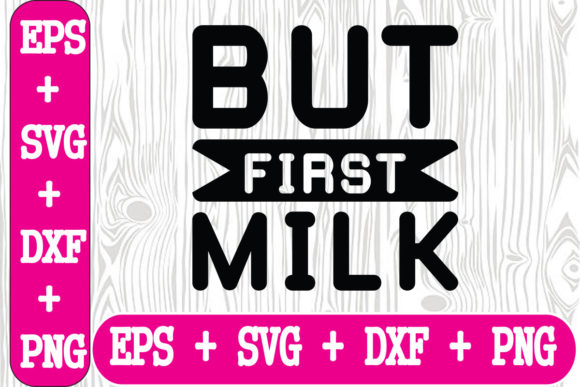
The phrase "But First, Milk" taps into a universal parenting sentiment, making it a timeless choice for nursery decor and gifts. Visually, the design relies on word art principles. It is clean, legible, and playful without being cluttered. However, as an embroidery specialist, I immediately started thinking about line weight and negative space. In the world of machine embroidery design, simplicity often wins, but only if the execution is flawless. The layout feels balanced, suggesting it would work well as a standalone statement piece rather than a tiny accent.
When I imagine this as a tote bag design or a patch for a denim jacket, the boldness of the typography stands out. It has that casual, slightly humorous vibe that appeals to modern parents. Yet, the transition from a digital download intended for vinyl cutters like Cricut or Silhouette to a stitchable format requires a mental shift. If you are planning to convert this embroidery file for use on fabric, you must ensure the curves in the letters are smooth enough to prevent jagged edges during the fill stitch process.
Testing the Waters: A Custom Sweatshirt Scenario
To truly evaluate But First, Milk, let’s walk through a real-life project. Imagine I am preparing a custom embroidered sweatshirt for a local boutique client. The goal is a cozy, high-quality item that screams "mom life." I place the design on the front chest area of a heather grey fleece. Here is where the practical judgment comes in. On a soft, textured fabric like fleece, the density of the stitches matters immensely. If the stitch density is too high, the fabric will pucker, ruining the drape of the garment. If it is too low, the lettering might not be visible against the busy texture.
In this scenario, I would likely opt for a combination of satin stitch for the outlines to give the text a polished, raised look, and a light fill for any solid areas. The contrast between white thread and grey fabric is classic, but I always test thread colors first. A warm off-white might blend too much with the grey, while a stark bright white could feel too harsh. The design needs to breathe. Because this is a personalized gift, the emotional connection is key. The recipient should feel the quality of the work immediately upon touch. If the stitching looks messy or the letters are misaligned, the charm of the quote is lost.
Navigating Fabric Challenges and Hoop Limitations
Not every surface is created equal, and But First, Milk is no exception. While it works beautifully on flat cottons, I advise caution when using it on stretchy fabrics or curved surfaces like caps. On a baseball cap, the curve can distort the word art, making the "Milk" part look stretched or compressed. Always check your hoop size before committing. If the design is too large for your hoop, you risk distorting the shape during the stitching process.
Furthermore, consider the fabric texture. On a thick canvas tote bag, the design will hold up well, provided you use a heavy-duty stabilizer. However, on thin baby onesies, the weight of the thread can cause sagging. In these cases, a water-soluble stabilizer is essential to support the stitches without leaving residue. Another critical point is washing durability. Items like kitchen towels or aprons undergo frequent washing. If the running stitch count is insufficient to anchor the design, it may fray over time. As a professional, I always recommend testing the design on scrap fabric first to simulate wear and tear.
From Digital File to Commercial Asset
For the Etsy seller or small shop owner, the versatility of But First, Milk is its greatest asset. It fits perfectly into categories like holiday embroidery, baby showers, and general nursery decor. However, remember that this product originates as a cutting file for vinyl. If you intend to use it as a commercial embroidery asset, you must verify the licensing terms. Just because you bought the digital file doesn't automatically grant you the right to sell the stitched items or the converted embroidery file itself.
Visual appeal directly impacts customer trust. A crisp, well-executed embroidered patch featuring this quote adds significant value to a handmade product. It signals professionalism and attention to detail. Conversely, a poorly executed version can damage your brand reputation. When creating printable mockups for your shop listings, ensure they accurately represent how the thread will sit on the fabric. Don't rely solely on the vector preview; show customers the texture and depth of the actual stitch.
Practical Notes for the Embroidery Designer
- Test First: Always run a test on scrap fabric to check for puckering and alignment issues.
- Stabilizer Matters: Use the appropriate stabilizer for your fabric type to prevent distortion.
- Color Contrast: Ensure your thread colors pop against the background fabric for maximum readability.
- Hoop Size Check: Verify that the design fits comfortably within your machine's hoop without stretching.
- Licensing: Confirm you have the rights to sell finished goods made with this design before listing them.
- Density Adjustment: Be prepared to adjust stitch density based on the thickness of your material.
Final Thoughts on Project Viability
In conclusion, But First, Milk is a strong contender for your design assets library, provided you treat it with the technical care it deserves. It offers a delightful theme for custom apparel and home goods, resonating deeply with parents and craft enthusiasts alike. Whether you are creating a single personalized gift or stocking a small shop product line, the success of this project hinges on your ability to translate the digital concept into a tactile reality. By paying attention to stitch quality, fabric compatibility, and proper stabilization, you can turn this simple phrase into a premium, handcrafted masterpiece that customers will cherish.